Location and Historical Background
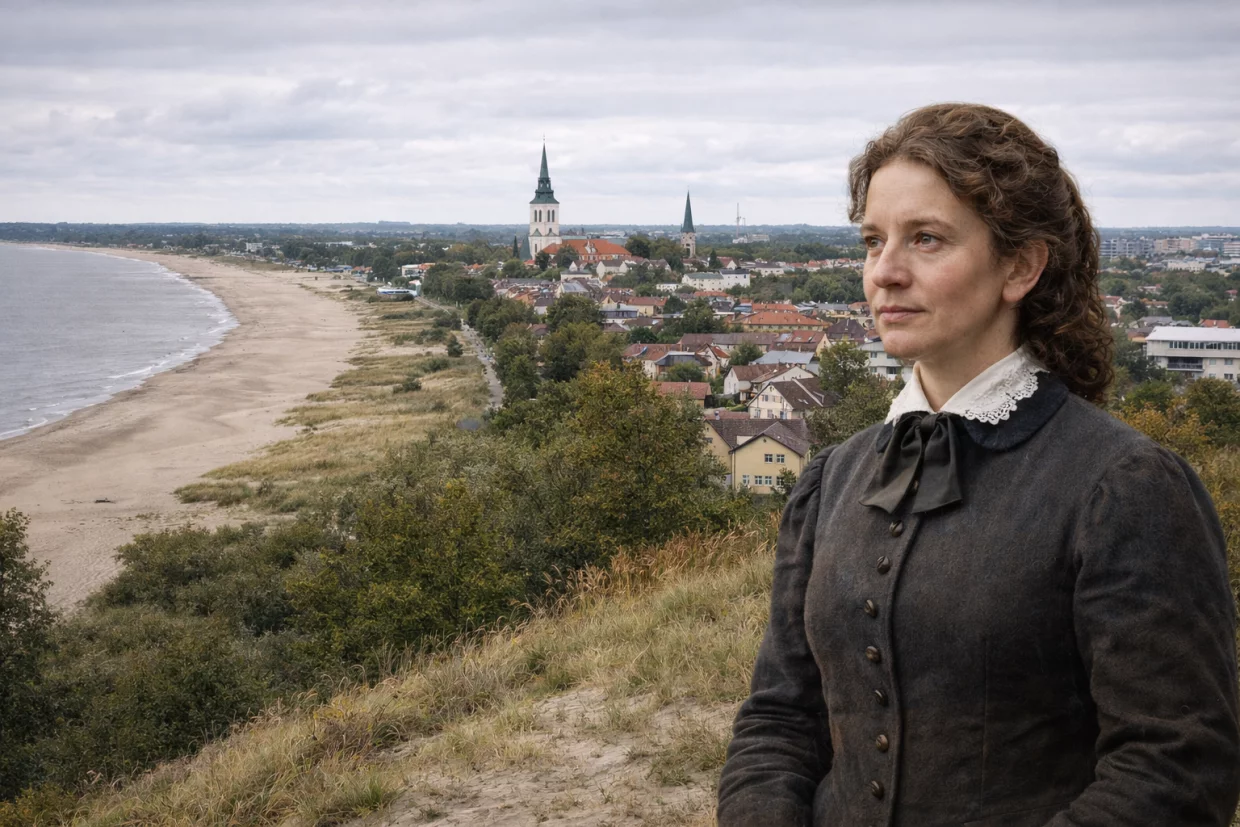
Pärnu stretches gently along the shores of the Baltic Sea in southwestern Estonia, surrounded by sandy beaches, pine forests, river meadows, and wide open skies. The Pärnu River flows calmly into the sea, shaping both the city’s layout and its easygoing rhythm. Today, visitors are charmed by pastel villas, wooden architecture, leafy parks, and a beach that feels surprisingly southern for the Baltic.
The city was first mentioned in 1251, when it emerged as a bishopric and trading port. Legend claims Pärnu was founded where merchants argued so long about prices that they decided to settle down permanently. Whether true or not, trade, rest, and hospitality have defined the city ever since.
The Three Greatest Blows to the City
The Livonian War (1558–1583)
During this prolonged conflict, Pärnu was repeatedly attacked and occupied by competing powers. The city suffered destruction, economic collapse, and population loss as control shifted between Polish-Lithuanian, Swedish, and Russian forces. By the late 16th century, Pärnu had to rebuild both its walls and its confidence.
The Great Northern War and Plague (1700–1721)
In 1710, Pärnu was struck by a devastating plague during the Great Northern War. Large portions of the population died, trade halted, and the city fell into decline under Russian rule. Recovery took decades, and Pärnu retreated into quiet obscurity.
World War II Bombings (1944)
In 1944, air raids heavily damaged the city, destroying historic buildings and infrastructure. Though Pärnu avoided total devastation, the scars were deep. Post-war Soviet reconstruction altered parts of the city, but much of its charm survived.
The Golden Age of Pärnu
Pärnu’s golden age began in the 19th century, when it transformed into a spa and resort town. Seaside bathing culture, elegant wooden villas, and health resorts attracted aristocrats and intellectuals from across the Russian Empire. By the early 20th century, Pärnu was firmly established as Estonia’s premier holiday destination—a reputation it still enjoys today.
Why Pärnu Is Worth Visiting Today
Modern Pärnu is all about balance. It offers beaches without chaos, nightlife without excess, and culture without pretension. In summer, festivals, cafés, and promenades come alive; in winter, the city becomes calm, intimate, and introspective. Spas, bike paths, nature reserves, and historic streets provide endless ways to unwind.
In summary, Pärnu is not about rushing, conquering sights, or ticking boxes. It invites you to slow down, breathe deeply, and remember how enjoyable doing very little can be.
Tourist Information and Must-See Sights
Estimated Prices
- Average lunch: €11–14
- Mid-range hotel (per night): €85–120
- One beer (0.5 l): €4.50–5.50
- One coffee: €3–4
The most attractive areas for visitors include the beach district, the city center, riverside promenades, and nearby coastal nature parks.
Must-Visit Places
Pärnu Beach
A wide, sandy beach with shallow water, perfect for long walks, sunsets, and summer relaxation. This is the heart of Pärnu’s seasonal magic.
Pärnu Mud Baths
A symbol of the city’s spa tradition, representing over a century of health tourism and wellness culture.
Vallikäär Park
A peaceful green space on the site of former fortifications, ideal for strolls, picnics, and quiet reflection near the old town.
Final Summary
Pärnu won’t challenge your intellect like Tartu or overwhelm you like a capital city—but it might quietly become your favorite place in Estonia. Come for a weekend, stay for the summer, and leave wondering why life can’t always feel this easy.
Tags: Estonia • Russia • Scandinavia • Sweden • War