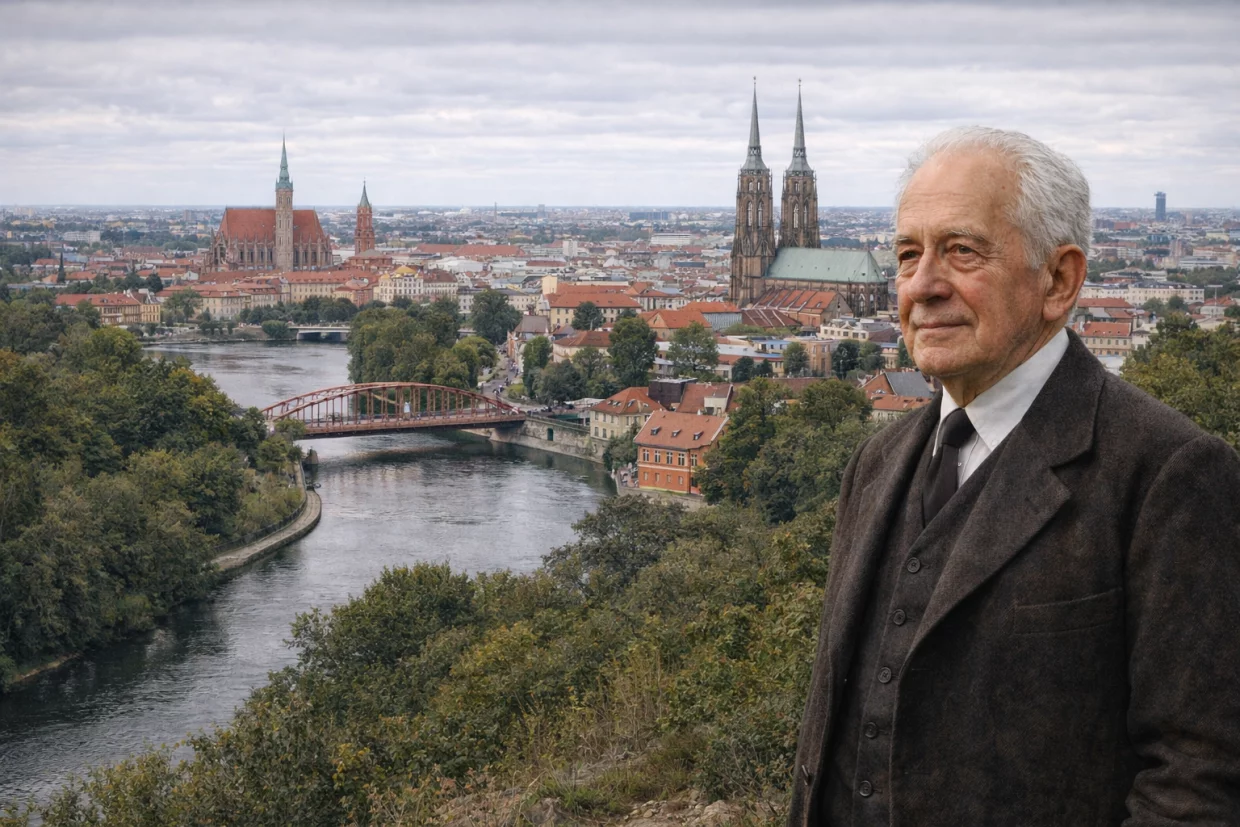
Location & Historical Background
Romantic Setting
Wrocław lies on the Oder River in southwestern Poland, built across multiple islands connected by more than a hundred bridges. Green riverbanks, parks, and waterways give the city a light, open feel. Today, visitors are struck by the balance between grand Gothic and Baroque landmarks and an easygoing, riverside rhythm.
Origins & Foundation
The city’s roots reach back to the 10th century, growing from an early Slavic settlement into a key medieval trading hub. Legend claims Wrocław was founded where merchants finally agreed to stop arguing over river crossings and simply build bridges everywhere. Its strategic location ensured prosperity—and frequent political changes.
The Three Greatest Blows
The Mongol Invasion (1241)
In 1241, Mongol forces devastated Wrocław, destroying much of the early settlement. Though the city recovered, the invasion reshaped fortifications and urban planning for generations.
The Siege of Breslau (1945)
Declared a fortress city during World War II, Wrocław—then known as Breslau—was heavily damaged in 1945. Prolonged fighting destroyed large parts of the city, displacing populations and leaving vast ruins behind.
Post-War Population Replacement (1945–1947)
After 1945, Wrocław underwent a complete demographic transformation as German inhabitants were expelled and Polish settlers arrived. The sudden cultural reset was traumatic but laid the groundwork for a new urban identity.
The Golden Age
Wrocław’s golden age came in the late Middle Ages, particularly the 14th–15th centuries, when it flourished as a major commercial and cultural center of Silesia. Trade, craftsmanship, and autonomy funded churches, townhouses, and civic institutions that still define the historic core.
Why Visit the City Today
Today, Wrocław is youthful, inventive, and welcoming. A strong university scene fuels culture, nightlife, and festivals, while beautifully restored architecture and riverside spaces invite slow discovery. Whether you’re chasing history, food, art, or just good atmosphere, Wrocław makes it feel effortless.
Tourist Information & Must-See Places
Practical Information (Estimated Averages)
- Average lunch: €8–12
- Average accommodation (per night): €80–140
- One beer: €2.50–4
- One coffee: €2.50–4
Most Interesting Parts of the City
Market Square (Rynek), Ostrów Tumski, river islands and bridges, and the university quarter.
Top 3 Must-See Attractions
Market Square (Rynek)
One of Europe’s largest and most colorful squares, surrounded by Gothic and Baroque townhouses and anchored by the historic Town Hall.
Ostrów Tumski (Cathedral Island)
The oldest part of the city, home to stunning cathedrals, cobblestone streets, and atmospheric evening lantern lighting.
Wrocław Dwarfs
Hundreds of small bronze statues scattered across the city, originally symbols of resistance and now a playful urban treasure hunt.
Final Summary
Wrocław doesn’t demand your attention—it earns it, one bridge and one dwarf at a time. Come for the architecture and rivers, stay for the humor and creativity, and leave with the feeling that cities can be both deep and delightful.