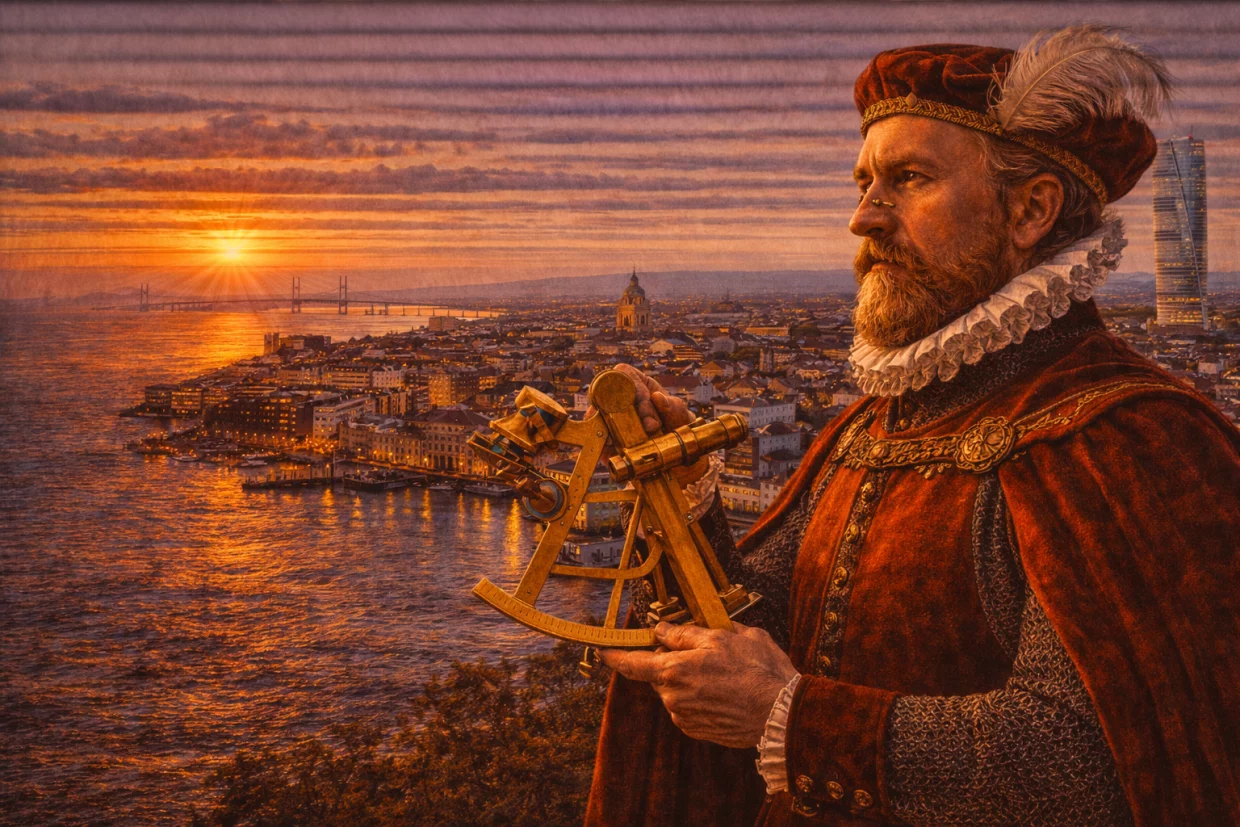
Location and Historical Background
Malmö lies in southern Sweden, directly facing Copenhagen across the Öresund Strait. Flat landscapes, open skies, coastal winds, and farmland define the surroundings. The sea is close, the continent closer — and that has always shaped Malmö’s mindset. It feels less Nordic-isolated and more European-connected than most Swedish cities.
Founded in the 13th century, Malmö was originally Danish and grew wealthy as a trading port. Legend has it the city always looked outward rather than inward — first toward Denmark, later toward Europe. When Malmö became Swedish in 1658, it adapted quickly, proving that flexibility was its strongest survival trait.
Three Greatest Blows Malmö Endured
1. Loss of Danish Status (1658)
When Malmö became part of Sweden after the Treaty of Roskilde, it lost political importance and trade advantages overnight. The transition caused economic decline and identity uncertainty that lasted generations.
2. Industrial Collapse and Shipyard Closure (1970s–1980s)
Malmö’s Kockums shipyard — once among the world’s largest — shut down, leading to massive unemployment and urban decay. The city faced a severe economic and social crisis, with no obvious replacement industry.
3. Social Tension During Rapid Transformation (1990s–2000s)
As Malmö reinvented itself through immigration, education, and innovation, rapid demographic change brought social challenges, polarization, and growing pains. The city had to learn inclusion in real time.
The Golden Age of Malmö
Malmö’s first golden age came in the 15th–16th centuries as a major Danish trading port. Its second — more surprising — golden age began in the early 21st century, driven by sustainable urban planning, universities, design, and cross-border integration with Copenhagen. Few European cities have managed such a successful second act.
Why Malmö Is Worth Visiting Today
Today, Malmö feels dynamic, experimental, and alive. Architecture ranges from medieval squares to ultra-modern waterfronts. Food scenes reflect global influences, cycling infrastructure works flawlessly, and public spaces feel intentionally democratic.
The city is compact, progressive, and human-scaled. Beaches, parks, and neighborhoods flow naturally together. Malmö doesn’t sell perfection — it offers participation.
In summary, Malmö is ideal for travelers who want modern Europe in motion, cities with courage, and places where the future is being actively tested rather than theorized.
Tourist Information and Must-See Sights
Estimated Prices (EUR):
- Average lunch in a restaurant: 12–18 €
- Mid-range hotel per night: 100–160 €
- One beer (0.5 l): 7–9 €
- One coffee: 4–6 €
Most Interesting Areas:
- Gamla Staden (Old Town)
- Western Harbor (Västra Hamnen)
- Möllevången district
Top 3 Must-Visit Attractions
Turning Torso
An iconic twisting skyscraper by architect Santiago Calatrava. Symbol of Malmö’s reinvention and one of Scandinavia’s most daring modern buildings.
Västra Hamnen (Western Harbor)
A former industrial zone transformed into a sustainable waterfront district. Clean design, sea views, and urban optimism define the area.
Malmö Castle (Malmöhus)
A Renaissance fortress turned museum complex, anchoring the city’s long and complex history. Solid, grounded, and quietly powerful.
Final Summary
Malmö doesn’t wait for permission — it prototypes the future. Sometimes messy, sometimes brilliant, always brave, it proves that cities don’t have to age gracefully if they can adapt intelligently.
Tags: Denmark • Scandinavia • Sweden