Location and Historical Background
Geographic Setting and First Impressions
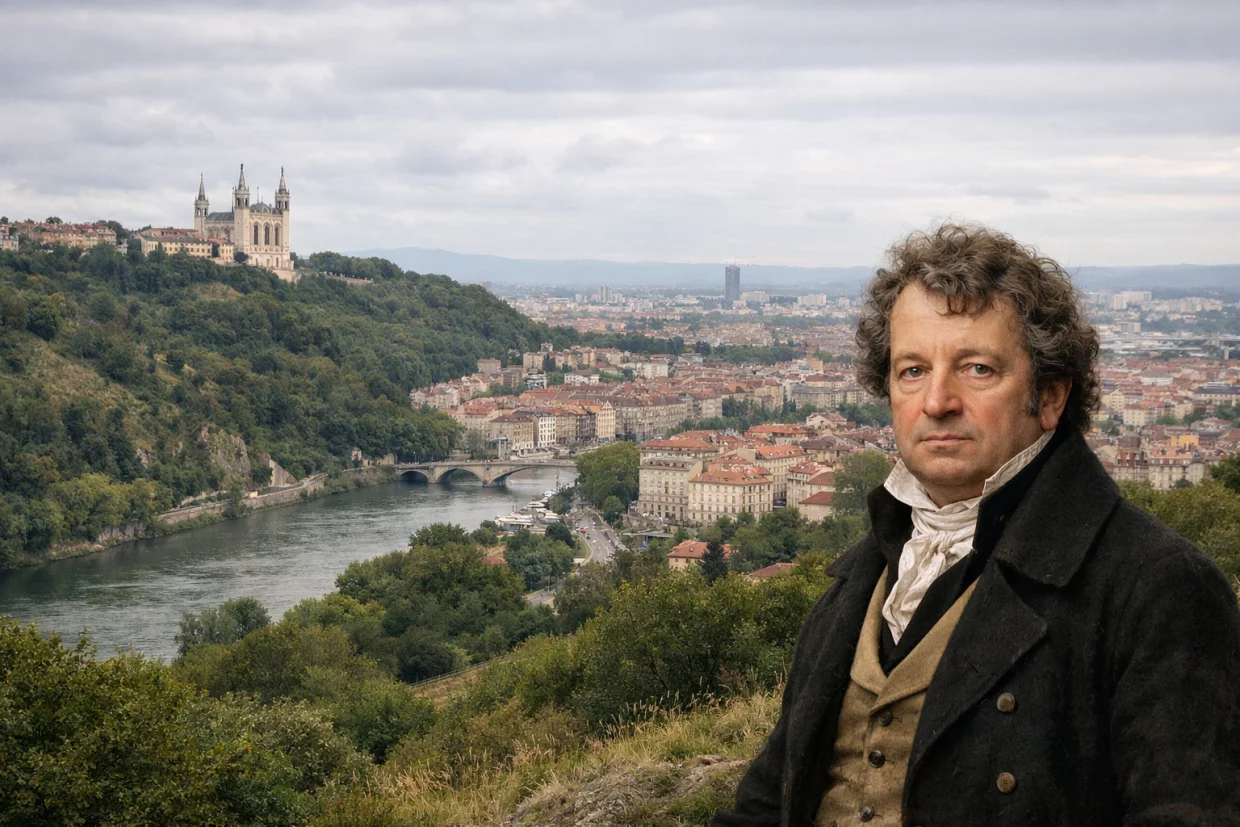
Lyon sits majestically at the confluence of the Rhône and Saône rivers in eastern France. Framed by rolling hills rather than mountains, the city spreads elegantly across riverbanks and slopes, blending Roman ruins, Renaissance old town, and modern districts. Today, Lyon impresses with harmony – between water and stone, tradition and innovation, calm confidence and cultural depth.
Origins and Early History
Founded in 43 BCE by the Romans as Lugdunum, Lyon was once the capital of Roman Gaul. According to legend, the gods themselves approved the location, offering protection from floods and enemies alike. By the Middle Ages, Lyon had become a major religious and commercial hub, benefiting from its strategic position on European trade routes connecting the Mediterranean with northern Europe.
The Three Greatest Blows to Lyon
1. The Siege of Lyon (1793)
During the French Revolution, Lyon rebelled against the radical government in Paris. In 1793, revolutionary forces besieged the city for over two months. After its fall, brutal reprisals followed: mass executions, destruction of buildings, and the symbolic renaming of Lyon as “Ville Affranchie.” Thousands died, and the city was left traumatized.
2. The Decline of the Silk Industry (Late 19th Century)
For centuries, Lyon’s prosperity depended on silk weaving. Industrial changes and foreign competition in the late 1800s caused widespread unemployment and social unrest. The famous Canut uprisings of silk workers highlighted economic inequality and shook the city’s foundations.
3. World War II Occupation (1940–1944)
Lyon was a key center of the French Resistance during Nazi occupation. While this gave the city a heroic legacy, it came at a high price. Arrests, executions, torture, and deportations marked daily life. In 1943, Gestapo leader Klaus Barbie operated from Lyon, leaving scars that are still remembered today.
The Golden Age of Lyon
Lyon’s golden age stretched from the Renaissance through the 18th century. Banking, printing, international trade fairs, and especially silk production transformed the city into one of Europe’s wealthiest urban centers. Patronage from French kings and Italian merchants helped Lyon flourish culturally and economically, making it a city of craftsmanship, commerce, and early capitalism.
Why Lyon Is Worth Visiting Today
Lyon today is refined without being pretentious. Its UNESCO-listed old town, vibrant food markets, riverside walks, and creative districts offer a balanced urban experience. Visitors can enjoy world-class cuisine at affordable prices, explore hidden traboules (covered passageways), and experience a city that lives well rather than fast. Lyon rewards curiosity, patience, and appetite – especially appetite.
Tourist Information and Key Attractions
Practical Tourist Costs (Estimated Averages)
- Average lunch: 13–18 EUR
- Average dinner: 22–30 EUR
- Hotel (mid-range, double room): 100–150 EUR per night
- Beer (0.5 l): 6–8 EUR
- Coffee (espresso): 2–3 EUR
Most Interesting Areas of the City
Vieux Lyon (Old Town), Presqu’île between the rivers, Croix-Rousse hill, and the modern Confluence district showcase Lyon’s diverse character.
Three Must-See Attractions
Vieux Lyon
A Renaissance masterpiece filled with narrow streets, colorful facades, and hidden passageways. It feels like stepping into a living museum where daily life continues among centuries of history.
Basilica of Notre-Dame de Fourvière
Perched high above the city, this basilica offers panoramic views and extravagant interiors. It symbolizes Lyon’s spiritual history and its habit of building important things on high ground.
Les Halles de Lyon – Paul Bocuse
A temple of French gastronomy where locals shop for cheese, charcuterie, pastries, and wine. Even visitors who only browse will leave hungry and impressed.
Final Summary
Lyon does not flirt with tourists – it invites them to dinner. It is a city that values craftsmanship over glamour, memory over noise, and flavor over fashion. If Paris is a performance, Lyon is the rehearsal that made France great.
Tags: France • Italy • Mediterranean • Paris • War