Location and Historical Background
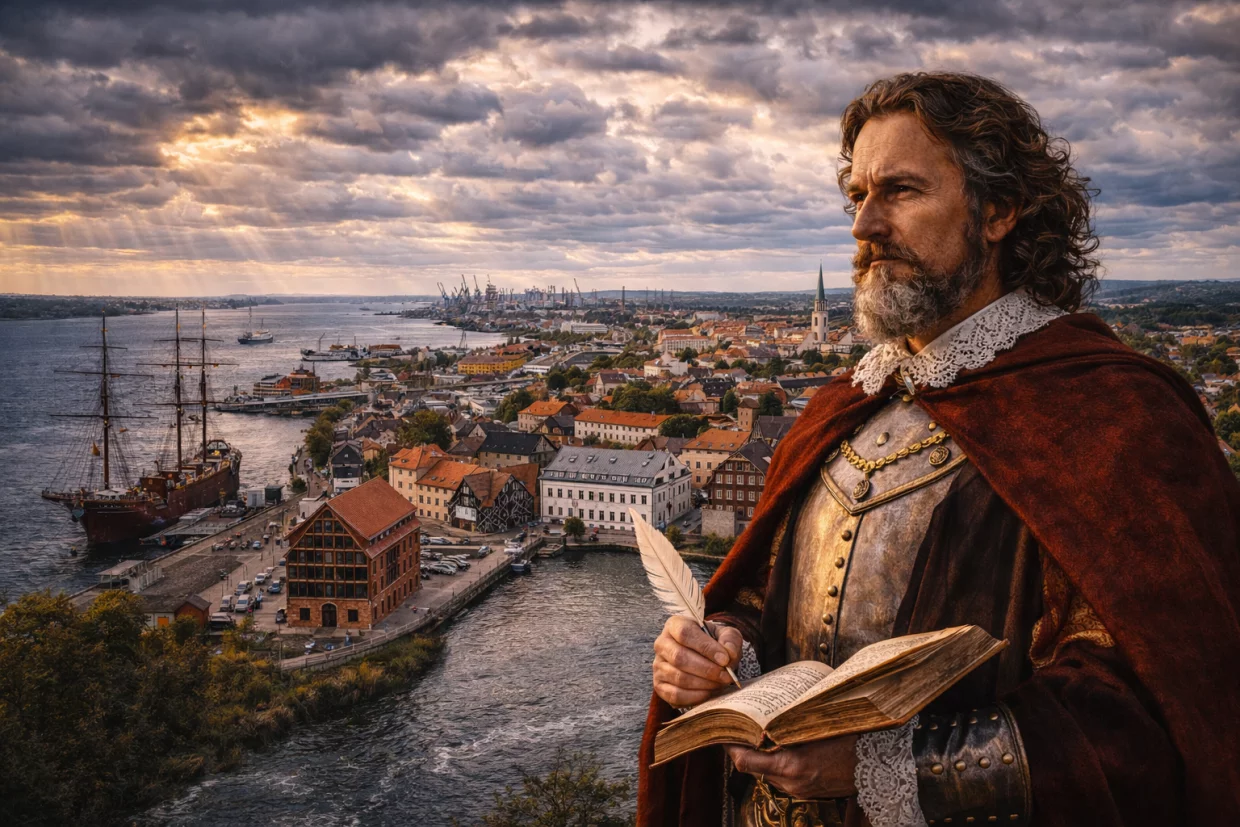
Klaipėda lies on Lithuania’s western edge, where the Baltic Sea meets the Curonian Lagoon. Flat coastal landscapes, sandy shores, pine forests, and water in every direction define the city’s rhythm. Today, visitors are struck by its clean streets, brick architecture, maritime atmosphere, and the constant presence of ships moving in and out of port.
The city was first mentioned in 1252, when it was founded by the Teutonic Order under the name Memel. Legend suggests the settlement began where crusaders decided that controlling trade routes was easier by water than by horse. Over centuries, Klaipėda developed as a key port town, always looking outward rather than inward.
The Three Greatest Blows to the City
Teutonic and Regional Wars (13th–15th centuries)
As a border fortress of the Teutonic Order, Klaipėda was repeatedly attacked and damaged during medieval conflicts. Fortifications were destroyed and rebuilt multiple times, leaving the city in a near-constant state of military tension throughout the 14th century.
World War II and Evacuation (1944–1945)
In 1944, as the Eastern Front approached, much of the German population fled the city. Klaipėda was heavily damaged, depopulated, and radically transformed. After the war, it was incorporated into the Lithuanian SSR, and its cultural identity shifted dramatically.
Soviet Industrialization (1945–1990)
Post-war Soviet rule turned Klaipėda into a major industrial port. While economically important, this period caused environmental damage, loss of historic buildings, and cultural suppression. The city functioned—but often without a soul—until independence in 1990.
The Golden Age of Klaipėda
Klaipėda’s golden age came in the late 19th and early 20th centuries, when it thrived as a modern port city within East Prussia. Shipbuilding, trade, and maritime culture flourished, leaving behind distinctive brick architecture and an urban layout unlike any other Lithuanian city.
Why Klaipėda Is Worth Visiting Today
Today, Klaipėda feels refreshingly different from Lithuania’s inland cities. Its maritime culture, bike-friendly layout, and proximity to nature make it an ideal base for coastal exploration. The city itself offers galleries, cafés, sculpture parks, and a relaxed pace that feels shaped by tides rather than timetables.
In summary, Klaipėda is not about monuments—it’s about mood. Sea air, space, and stories do the heavy lifting here.
Tourist Information and Must-See Sights
Estimated Prices
- Average lunch: €10–13
- Mid-range hotel (per night): €75–120
- One beer (0.5 l): €4–5
- One coffee: €3–3.50
The most visitor-friendly areas include the Old Town, port district, riverfront promenades, and ferry connections to nearby nature sites.
Must-Visit Places
Klaipėda Old Town
A compact area of cobblestones, brick warehouses, and half-timbered buildings reflecting the city’s German heritage.
Curonian Spit
A UNESCO-listed natural wonder of massive sand dunes, forests, and fishing villages—easily reached by ferry from Klaipėda.
Lithuanian Sea Museum
Located in a former fortress, this museum explores Lithuania’s maritime history and connection to the sea.
Final Summary
Klaipėda won’t wrap you in charm—it’ll hand you a windbreaker and point you toward the horizon. Come curious, leave refreshed, and don’t be surprised if you start checking ferry schedules just for fun.
Tags: Environment • Germany • Lithuania • War