Location and Historical Background
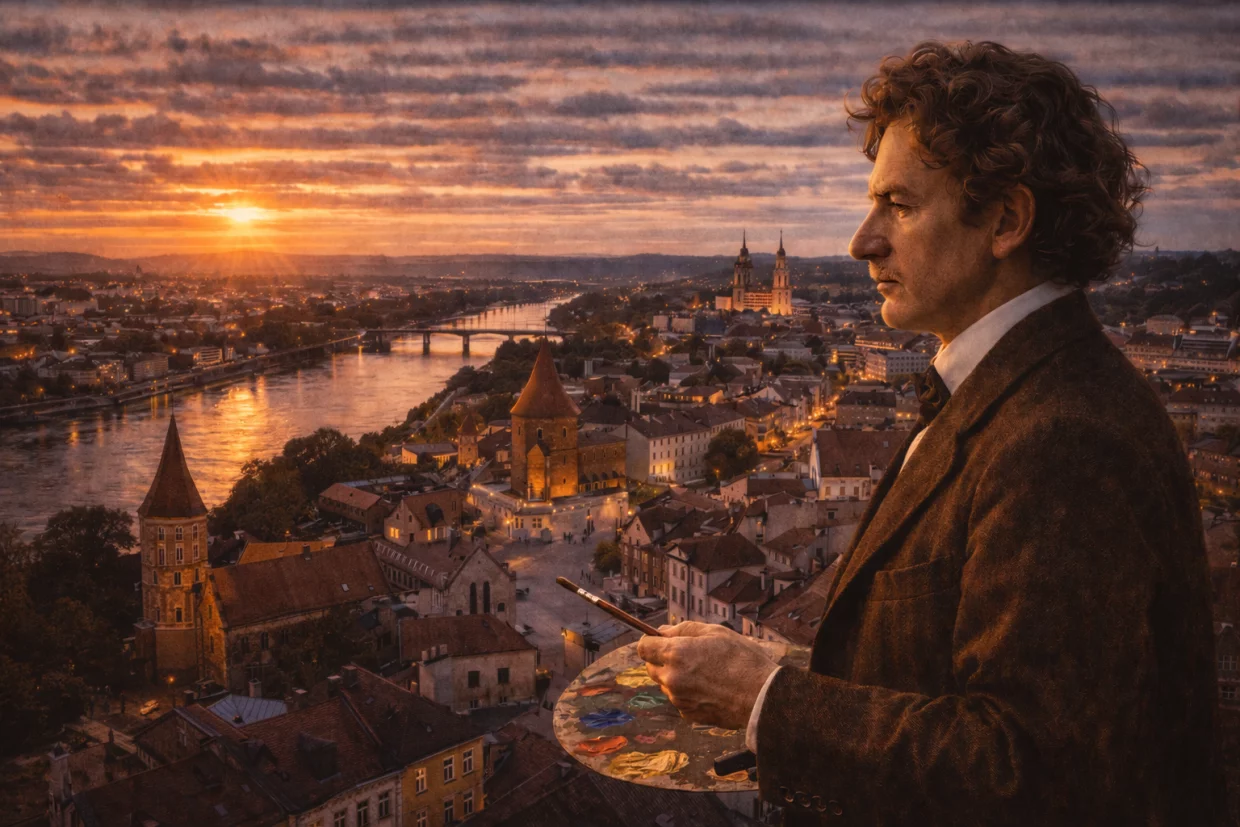
Kaunas sits dramatically at the confluence of the Nemunas and Neris rivers in central Lithuania. Rolling hills, river valleys, and green slopes shape its landscape, giving the city a layered, almost theatrical appearance. Today, visitors are impressed by its strong urban identity, interwar architecture, lively pedestrian streets, and cultural confidence.
Kaunas was first mentioned in 1361, emerging as a fortified settlement guarding Lithuania’s heartland. Legend claims the city was founded where two rivers met to argue about which was more important—and Kaunas simply decided to benefit from both. Strategically placed, the city quickly became a defensive and commercial stronghold.
The Three Greatest Blows to the City
Teutonic Order Attacks (14th–15th centuries)
Kaunas endured repeated attacks from the Teutonic Knights, most notably the destruction of Kaunas Castle in 1362. These assaults left the city damaged and vulnerable but also hardened its defensive identity and strategic importance.
Partitions of the Polish–Lithuanian Commonwealth (1795)
In 1795, Kaunas was absorbed into the Russian Empire following the partitions. The city lost political autonomy and faced Russification policies, limiting cultural and economic development for over a century.
World War II and Occupations (1940–1944)
Kaunas suffered immense trauma during World War II. Nazi occupation led to the mass murder of the city’s Jewish population, particularly in 1941. Subsequent Soviet reoccupation suppressed national identity and reshaped the city socially and architecturally.
The Golden Age of Kaunas
Kaunas’s golden age arrived between 1919 and 1940, when it served as the temporary capital of Lithuania. During this interwar period, the city experienced explosive growth. Modernist architecture flourished, cultural institutions expanded, and Kaunas became a symbol of Lithuanian independence, ambition, and modernization.
Why Kaunas Is Worth Visiting Today
Modern Kaunas is confident and creative. Its interwar modernist buildings are now UNESCO-listed, its street life is energetic, and its cultural scene feels authentic rather than curated. Museums, galleries, river walks, cafés, and festivals blend seamlessly with everyday city life.
In summary, Kaunas is a city that reinvented itself without forgetting who it is. It rewards visitors who value substance, design, and stories of resilience.
Tourist Information and Must-See Sights
Estimated Prices
- Average lunch: €9–13
- Mid-range hotel (per night): €70–120
- One beer (0.5 l): €4–5
- One coffee: €2.50–3.50
The most attractive areas for visitors include the Old Town, Laisvės Alėja, New Town, and riverside promenades.
Must-Visit Places
Kaunas Old Town
A compact and atmospheric area filled with medieval buildings, cafés, and historic squares at the rivers’ meeting point.
Laisvės Alėja
One of Europe’s longest pedestrian streets, serving as the city’s social spine, lined with cafés, shops, and cultural venues.
Kaunas Castle
A symbolic fortress reminding visitors of the city’s defensive origins and long struggle for survival.
Final Summary
Kaunas doesn’t need to prove itself—it already did. Come for the architecture, stay for the atmosphere, and leave realizing that second cities often have first-class personalities.