Location and Historical Background
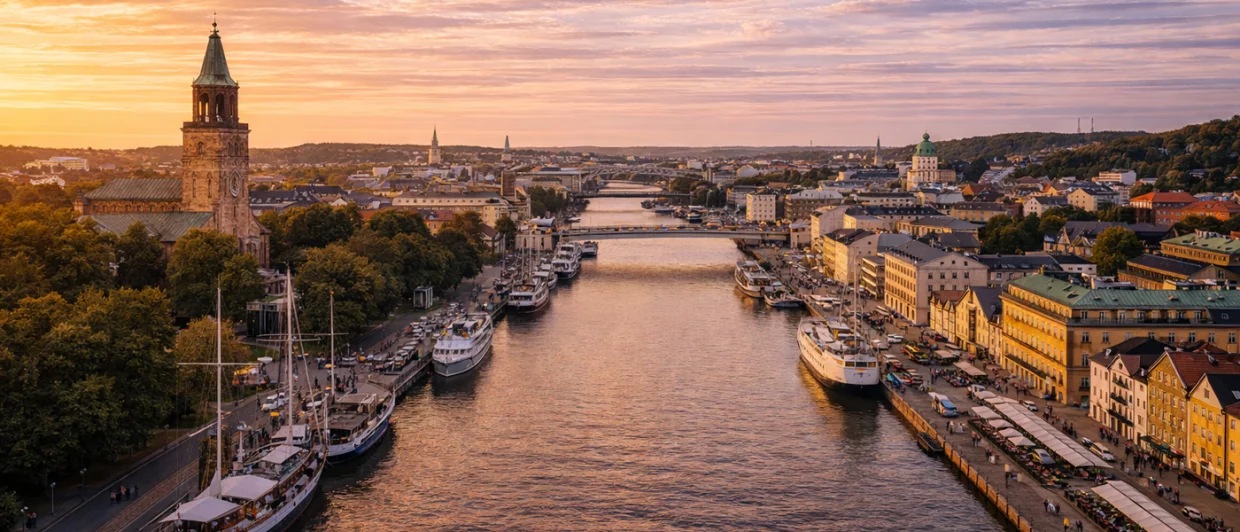
Turku lies on Finland’s southwest coast, where the Aura River flows gently into the Baltic Sea. The surrounding landscape of archipelagos, forests, fertile plains, and calm waterways gives the city a romantic, almost storybook setting. Even today, life in Turku revolves around the riverbanks, where cafés, boats, and historic buildings create a timeless urban rhythm.
Turku emerged in the late 13th century, growing around trade routes and the establishment of a bishopric. Legend claims the city was founded where merchants, priests, and sailors all agreed that “this spot feels important enough.” Whether true or not, Turku quickly became Finland’s most influential city under Swedish rule.
The Three Greatest Blows Turku Endured
The first devastating blow struck in 1827, when the Great Fire of Turku destroyed nearly three-quarters of the city. It remains the largest urban fire in Finnish history, wiping out medieval neighborhoods, archives, and homes. This catastrophe ultimately shifted Finland’s capital to Helsinki and marked the end of Turku’s political dominance.
The second major hardship came during the Finnish War (1808–1809) between Sweden and Russia. Turku, as a key administrative and cultural center, suffered uncertainty, occupation fears, and economic disruption. The war ended Swedish rule and placed Finland under Russian control, reshaping Turku’s role forever.
The third blow arrived during World War II (1939–1945), when Turku endured air raids and economic strain. Though less damaged than some European cities, wartime losses and rebuilding challenges tested the city’s resilience and reinforced its quieter, more regional character.
The Golden Age of Turku
Turku’s golden age spanned the Middle Ages through the 18th century, when it served as Finland’s capital, largest city, and intellectual center. The founding of Finland’s first university in 1640, strong trade networks, and its role as a religious hub all fueled prosperity. Though Helsinki later eclipsed it politically, Turku retained its cultural prestige.
Why Visit Turku Today
Today’s Turku offers something rare: deep history without crowds or stress. The city blends medieval landmarks with modern culture, vibrant festivals, and one of Europe’s most beautiful archipelagos right at its doorstep. Museums, music events, river cruises, and walkable neighborhoods make Turku ideal for travelers who want authenticity rather than spectacle.
In summary, Turku is Finland distilled—historic, thoughtful, and quietly proud. It doesn’t compete with Helsinki; it complements it, offering a richer understanding of where the country truly began.
Tourist Information and Must-See Sights
Estimated Prices (EUR):
- Average lunch: €11–14
- Mid-range hotel (per night): €100–140
- One beer (0.5 l): €6–8
- One coffee: €3.5–4.5
Most Interesting Areas for Tourists
The riverside area along the Aura River, the historic city center, and the harbor zones leading toward the archipelago are the most attractive parts of Turku.
Three Must-Visit Attractions
Turku Castle
One of the oldest surviving buildings in Finland, this massive medieval castle dates back to the 13th century. It tells the story of wars, royalty, and everyday life, making it essential for understanding Finnish history.
Turku Cathedral
The spiritual heart of Finland, this cathedral has stood for over 700 years. It remains a powerful symbol of Finnish identity and is still used for national ceremonies and major events.
Aura River Riverside
The soul of modern Turku flows along the riverbanks, lined with restaurants, museums, boats, and historic buildings. A walk here feels like strolling through the city’s past and present at the same time.
Final Summary
Turku doesn’t try to impress—it simply knows who it is. It’s the city that raised Finland, stepped aside gracefully, and now watches history flow by like its river. Visit Turku, and you won’t just see Finland—you’ll understand it.
Tags: Finland • Russia • Scandinavia • Sweden • War