Location and Historical Background
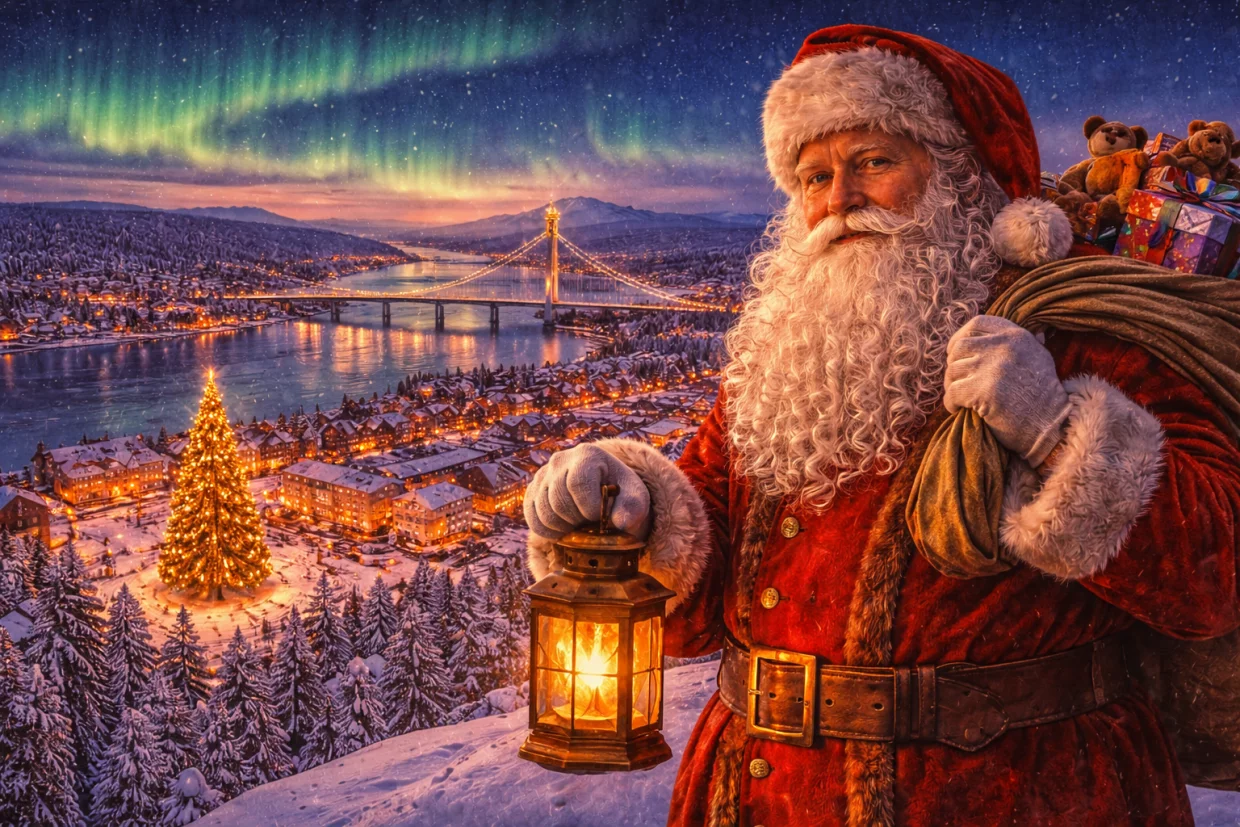
Rovaniemi lies just south of the Arctic Circle, at the meeting point of the Kemijoki River and Ounasjoki River, surrounded by endless forests, frozen rivers, and open tundra. The city’s location feels cinematic—long polar nights in winter, endless daylight in summer, and nature that dominates the skyline rather than buildings.
The first permanent settlements in the area date back to around the 11th century, when Sámi people and later Finnish settlers used the rivers as vital trade and travel routes. A popular local legend says Rovaniemi exists where travelers stopped because “going any further north felt unnecessary”—a joke that today sounds ironic given the city’s global fame.
The Three Greatest Blows Rovaniemi Endured
The most devastating blow came during World War II, specifically in 1944, during the Lapland War. Retreating German forces burned nearly 90% of Rovaniemi to the ground. Entire neighborhoods were destroyed, leaving the city in ashes just as peace was approaching.
The second hardship followed immediately after the war in the late 1940s, when Rovaniemi faced massive reconstruction challenges. Harsh Arctic conditions, limited resources, and population displacement made rebuilding slow and demanding. Yet this period also defined the city’s modern layout.
The third challenge has been ongoing rather than sudden: life in extreme Arctic conditions. Long winters, isolation, and economic dependence on natural resources have tested the city repeatedly throughout history, shaping a resilient population accustomed to adapting rather than complaining.
The Golden Age of Rovaniemi
Rovaniemi’s golden age began after World War II, when renowned architect Alvar Aalto helped redesign the city in a distinctive modernist style. Later, the rise of Arctic tourism in the late 20th and early 21st centuries—especially Christmas tourism and Northern Lights travel—turned Rovaniemi into an international destination and economic success story.
Why Visit Rovaniemi Today
Rovaniemi today is a city unlike any other in Europe. It offers dog sledding, reindeer safaris, ice fishing, midnight sun hikes, and some of the best chances to see the Northern Lights. At the same time, it has museums, cafés, design hotels, and surprisingly lively student culture thanks to local universities.
In short, Rovaniemi is where nature becomes an event. It’s not just a place you visit—it’s a place you experience, often in temperatures that make you feel impressively alive.
Tourist Information and Must-See Sights
Estimated Prices (EUR):
- Average lunch: €12–16
- Mid-range hotel (per night): €130–180
- One beer (0.5 l): €7–9
- One coffee: €4–5
Most Interesting Areas for Tourists
The city center, riverside areas, and sites around the Arctic Circle are the most attractive. Nature is never far—often just a few minutes from downtown.
Three Must-Visit Attractions
Santa Claus Village
Located directly on the Arctic Circle, this iconic attraction is open year-round. Whether you take it seriously or not, crossing the Arctic Circle line and sending postcards from Santa’s official post office is oddly satisfying.
Arktikum
A striking museum and science center dedicated to Arctic life, history, and climate. It offers deep insight into Lapland, Sámi culture, and the challenges of life in the far north.
Arctic Circle
This invisible line has very real emotional impact. Standing on the Arctic Circle feels symbolic—like officially entering a different world governed by light, darkness, and nature.
Final Summary
Rovaniemi is proof that the edge of the map can still be the center of attention. It’s cold, magical, resilient, and slightly surreal—a place where winter feels heroic and summer never sleeps. Visit Rovaniemi, and you’ll never think of “north” the same way again.
Tags: Christmas • Finland • Germany • Scandinavia • War