Location and Historical Background
A Danube city with space to breathe
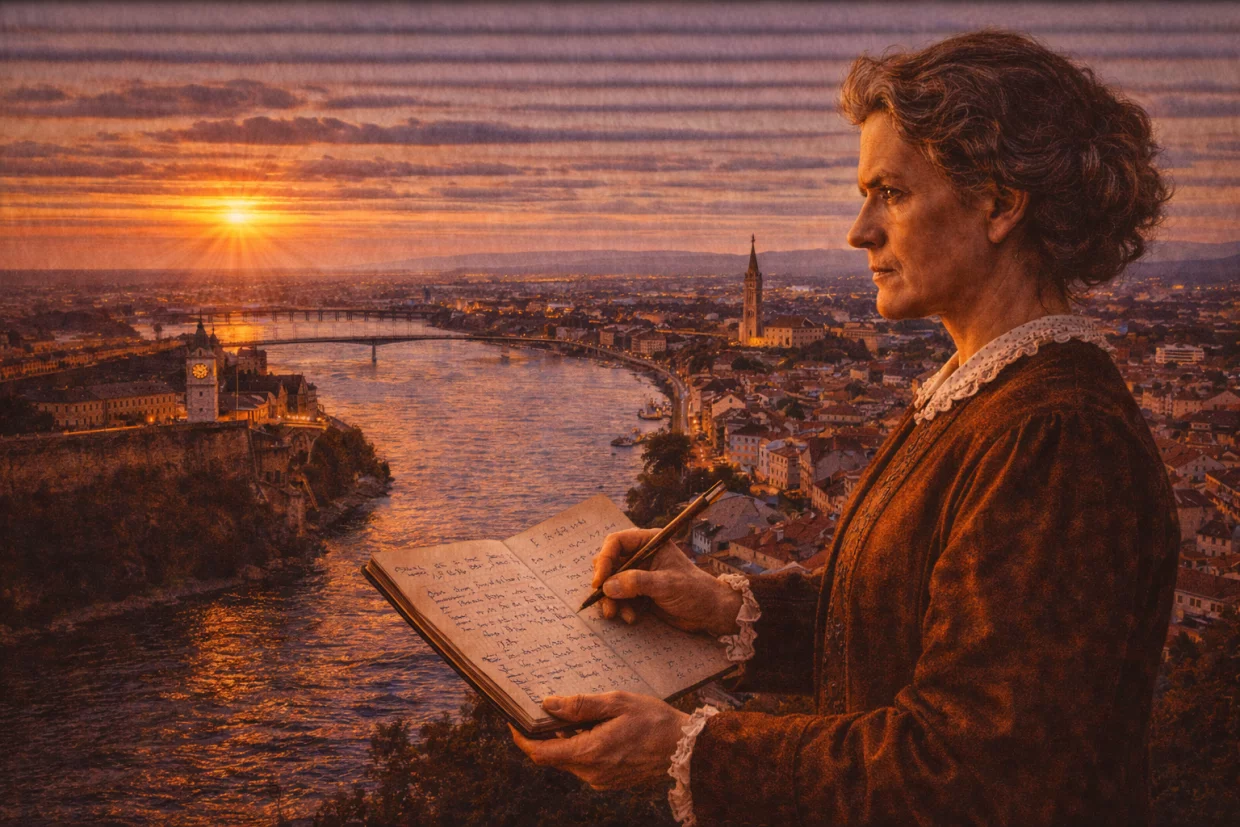
Novi Sad stretches gracefully along the banks of the Danube, opposite the mighty Petrovaradin Fortress. Flat plains, river islands, and green parks give the city an open, airy feel that contrasts beautifully with its dense cultural life. The Danube here isn’t dramatic—it’s reassuring, steady, and central to daily life.
From frontier settlement to cultural center
Founded in 1694, Novi Sad grew as a Serbian trading and cultural center within the Habsburg Empire. Known historically as the Serbian Athens, the city became a hub of education, publishing, and national awakening. Legend says Novi Sad thrived because it learned to survive between empires without becoming fully owned by either.
The Three Greatest Blows Novi Sad Endured
1. Hungarian Occupation and Raid (1849)
During the Hungarian Revolution of 1848–1849, Novi Sad was heavily bombarded. Large parts of the city were destroyed, libraries burned, and cultural institutions damaged—nearly erasing decades of progress.
2. World War II Tragedies (1941–1944)
Under Axis occupation, Novi Sad suffered one of its darkest moments in 1942, when mass executions took place along the frozen Danube. The city still remembers this trauma with solemn dignity.
3. NATO Bombing (1999)
In 1999, all three bridges over the Danube in Novi Sad were destroyed during NATO air strikes. The city was physically split and economically disrupted, yet it rebuilt with remarkable speed and resolve.
The Golden Age
Novi Sad’s golden age unfolded in the 18th and 19th centuries, when it became the cultural heart of the Serbian people within the Habsburg Empire. A modern golden chapter began after 2000, culminating in its role as European Capital of Culture 2022, affirming its creative and open identity.
Why Novi Sad Is Worth Visiting Today
Today, Novi Sad feels composed and confident. Its historic center is elegant but friendly, its cafés thoughtful rather than loud, and its cultural calendar rich without being overwhelming. Add the world-famous EXIT Festival, riverside walks, and nearby vineyards, and Novi Sad becomes one of Southeast Europe’s most livable cities.
In summary:
Novi Sad doesn’t rush you—it invites you to think, talk, and stay a little longer.
Tourist Information and Must-See Attractions
Estimated prices (per person):
- Average lunch: €8–12
- Mid-range accommodation (night): €50–80
- Local beer (0.5 l): €2.50–3.50
- Coffee: €2–2.50
Most interesting areas:
- City Center & Liberty Square
- Danube quay
- Petrovaradin area
Must-Visit Highlights
Petrovaradin Fortress
Often called the Gibraltar of the Danube, this massive fortress offers panoramic views of the city and hosts the legendary EXIT Festival. History, tunnels, and sunsets included.
Liberty Square
The elegant heart of the city, surrounded by neo-Gothic and neoclassical architecture, cafés, and cultural institutions.
Danube Park
A peaceful green oasis near the river, perfect for slowing down, people-watching, or reflecting on the city’s gentle rhythm.
Final Summary
Novi Sad is what happens when culture grows comfortably—and never feels the need to shout.