Location and Historical Background
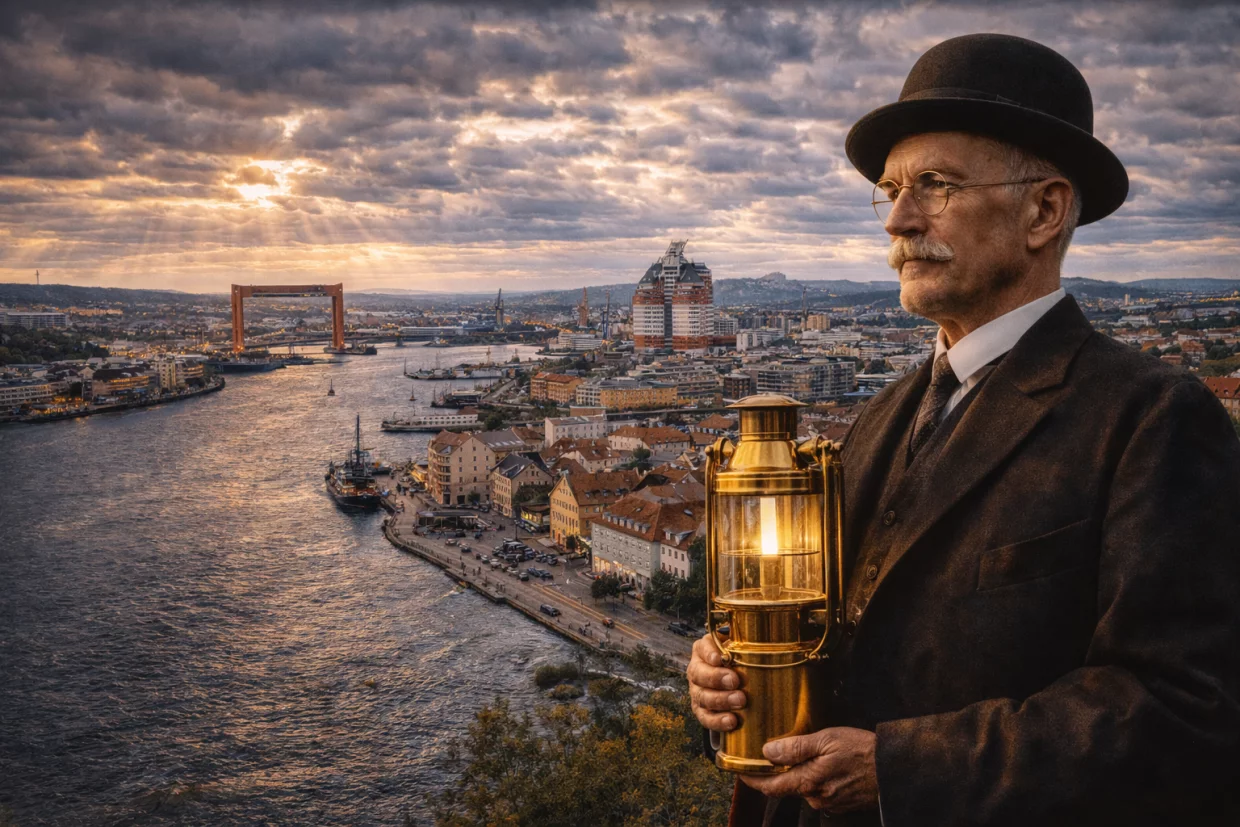
Gothenburg lies on Sweden’s west coast, where the Göta älv River flows into the Kattegat Sea, opening the city directly toward the North Sea and the Atlantic world. Rocky shores, windswept islands, and salty air define both the landscape and the mindset. The nearby archipelago feels raw, elemental, and deeply Nordic — yet welcoming.
Founded in 1621 by King Gustavus Adolphus, Gothenburg was deliberately designed as a trading port to compete with Danish-controlled routes. Legend says the city borrowed its soul from Dutch engineers, Scottish merchants, and German traders — and never bothered to choose just one identity. From the beginning, Gothenburg was outward-looking, pragmatic, and internationally minded.
Three Greatest Blows Gothenburg Endured
1. Danish Attacks and Early Destruction (17th century)
As a young border city near Danish territory, Gothenburg faced repeated attacks and sieges. Early settlements were destroyed multiple times before the city was firmly fortified and secured. Survival here required stubbornness and planning.
2. Industrial Hardship and Labor Struggles (19th–early 20th century)
Rapid industrialization brought shipyards, factories, and growth — but also harsh working conditions and social inequality. Strikes and labor unrest shaped Gothenburg’s political consciousness and strong social-democratic traditions.
3. Collapse of the Shipbuilding Industry (1970s–1980s)
When global competition crushed Swedish shipyards, Gothenburg lost a major economic pillar. Thousands of jobs disappeared, forcing the city to reinvent itself away from heavy industry.
The Golden Age of Gothenburg
Gothenburg’s golden age arrived in the late 19th and early 20th centuries, when it became Sweden’s primary industrial and maritime hub. Shipping, engineering, trade, and innovation flourished. The city grew confident, prosperous, and culturally distinct — proud of its working-class roots and global connections.
Why Gothenburg Is Worth Visiting Today
Today, Gothenburg is one of Scandinavia’s most livable and relaxed cities. Its food scene is among the best in Northern Europe, especially for seafood. Sustainability, design, and innovation are woven naturally into daily life rather than advertised.
Visitors enjoy canals, leafy boulevards, island ferries, music venues, and a social atmosphere that feels open rather than reserved. Gothenburg doesn’t impress with monuments — it wins you over with mood.
In summary, Gothenburg is perfect for travelers who want authentic urban life, coastal energy, and Scandinavian culture without stiffness.
Tourist Information and Must-See Sights
Estimated Prices (EUR):
- Average lunch in a restaurant: 13–18 €
- Mid-range hotel per night: 110–170 €
- One beer (0.5 l): 7–9 €
- One coffee: 4–6 €
Most Interesting Areas:
- Haga District
- Majorna and Linné
- Inner Harbor and canals
Top 3 Must-Visit Attractions
Haga District
A historic neighborhood with wooden houses, cafés, boutiques, and a relaxed, village-like atmosphere. Famous for oversized cinnamon buns and unpretentious charm.
Gothenburg Archipelago
A chain of rocky islands reachable by public ferry. No cars, no noise — just sea, wind, and Scandinavian simplicity at its best.
Feskekôrka (Fish Church)
An iconic seafood market housed in a church-like building. It represents Gothenburg’s deep relationship with the sea — practical, proud, and delicious.
Final Summary
Gothenburg doesn’t try to be cool — it already knows it is. Salt in the air, humor in conversation, and comfort in simplicity make it a city you don’t just visit, but settle into. If Stockholm is the mind of Sweden, Gothenburg is its laugh.
Tags: Denmark • Germany • Netherland • Scandinavia • Sweden